
A Brief History of Minerva Reef
Discovery and Naming
Minerva Reef is named after the whaling ship Minerva, which reportedly struck the reef in the early 19th century. However, the reef has likely been known to Pacific islanders for much longer.
The Kingdom of Minerva
In a bizarre and notable chapter of its history, Minerva Reef was the site of a libertarian micro-nation attempt in 1972. An American millionaire named Michael Oliver, through the Phoenix Foundation, sought to establish a new libertarian nation free from taxes and regulations. Concrete was dumped on the reef in an attempt to construct an artificial island.
They proclaimed the “Kingdom of Minerva”, even minting coins and raising a flag. However, the attempt was swiftly squashed when Tonga, asserting sovereignty over the reef, sent a small force to remove the occupants. The king of Tonga, Taufaʻahau Tupou IV, formally annexed the reef in June 1972.
Current Status
Today, Tonga maintains control of Minerva Reef, though Fiji also claims sovereignty, creating occasional diplomatic tension. Despite the ongoing territorial dispute, Tonga maintains the more active presence.
Anchoring at Minerva Reef
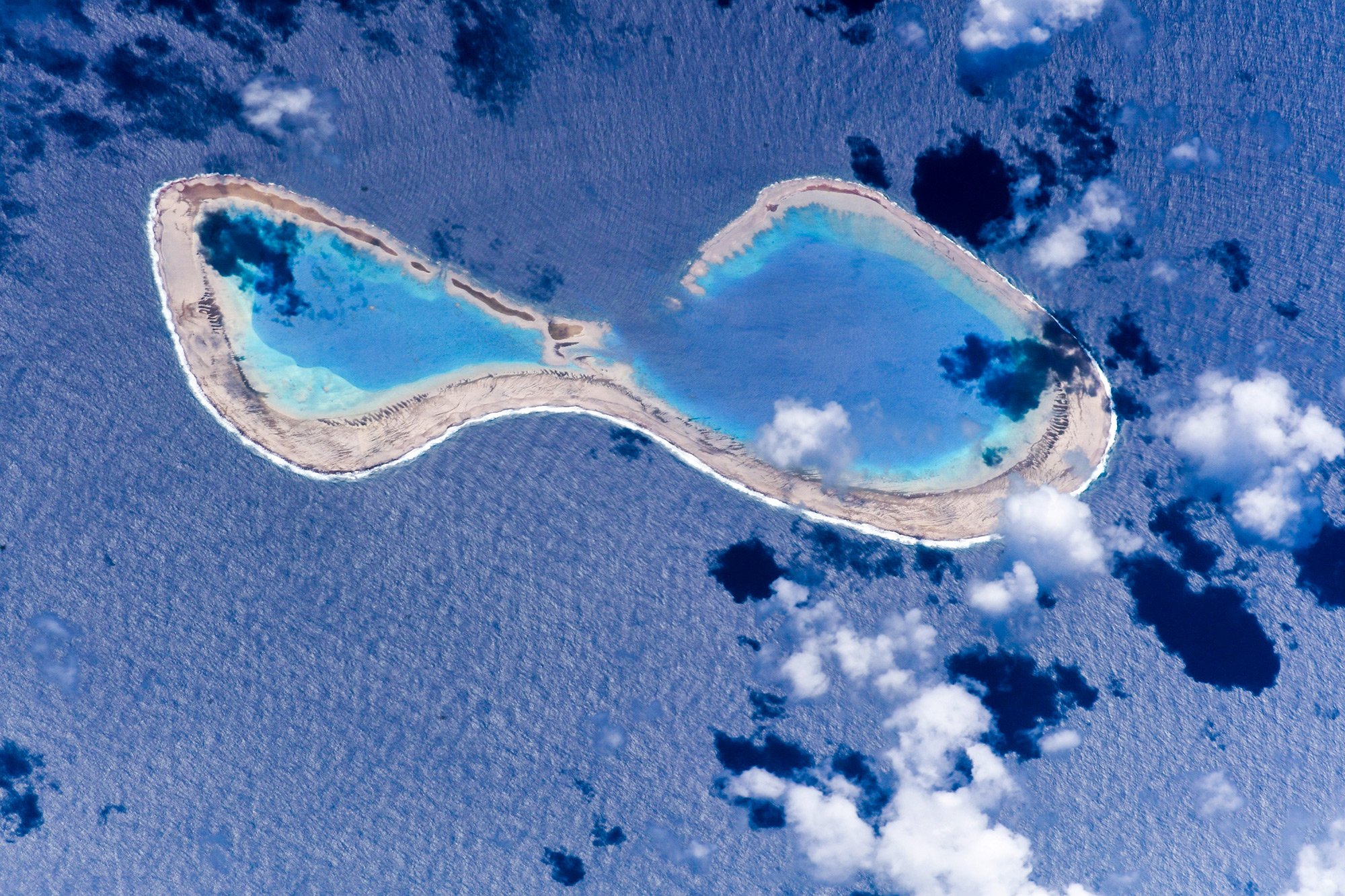
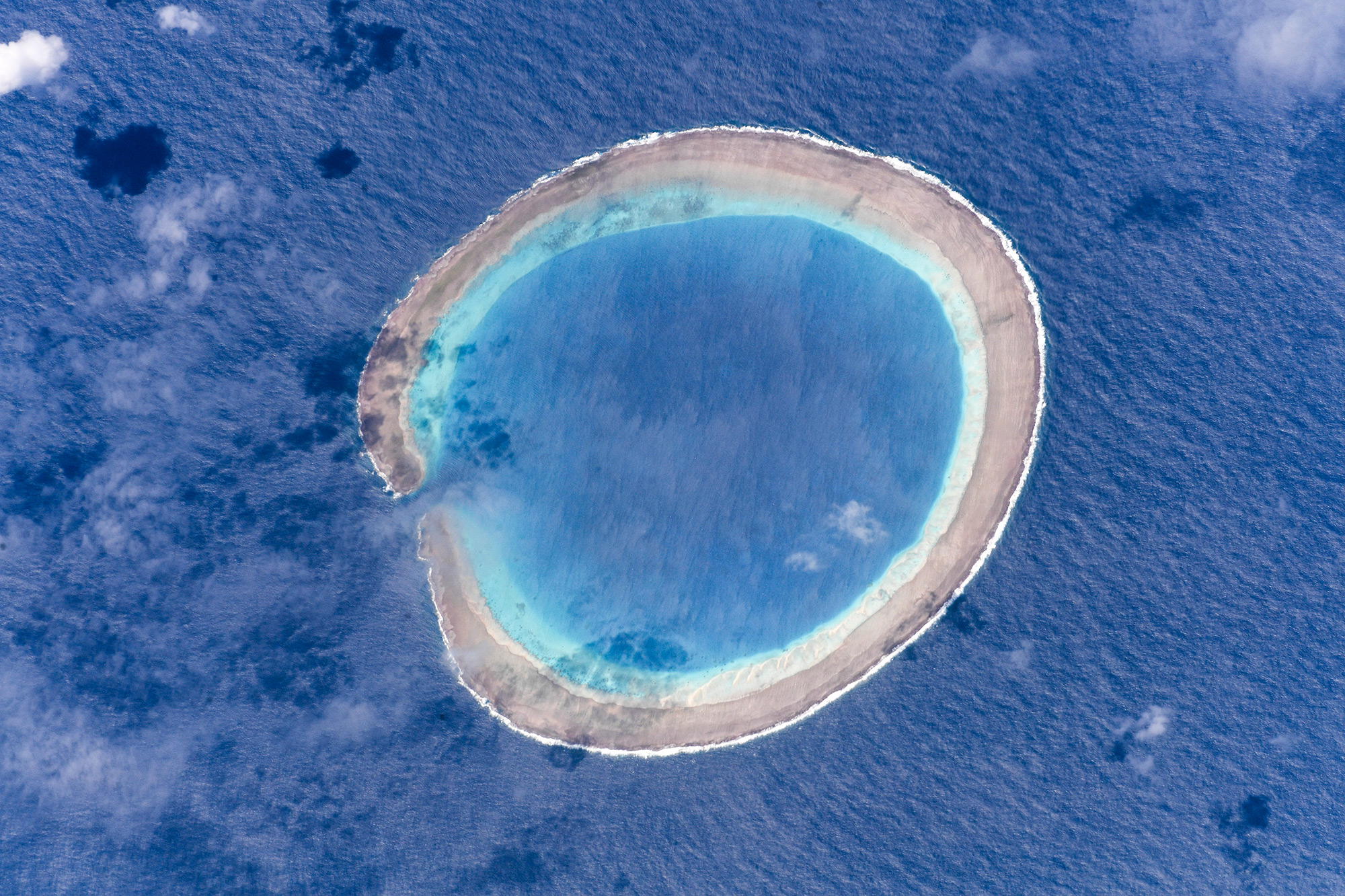
Minerva Reef is a popular stop for yachts sailing between New Zealand, Tonga, and Fiji, particularly during the cyclone off-season.
Why Anchor at Minerva Reef?
- Sheltered anchorage: Though not fully enclosed, both reefs offer excellent protection in settled weather.
- Strategic location: It breaks up the long ocean passage between major island groups.
- Unique experience: Few places offer the surreal experience of anchoring in a lagoon in the middle of the ocean, surrounded by coral and marine life.
North Minerva Reef Anchorage
- Best for: Shorter stays and better holding.
- Entrance: A clear pass on the western side, best approached in daylight with good visibility.
- Depth: Generally 10–20 meters, with sandy patches for anchoring.
- Holding: Good, but watch for coral heads.
- Hazards: Swell can wrap around the reef during strong winds; entrance can be dangerous in rough seas.
South Minerva Reef Anchorage
- Best for: Longer stays and better shelter.
- Entrance: Also on the western side but narrower and sometimes harder to spot.
- Depth: Similar to North Minerva, generally 10–20 meters.
- Holding: Good, similar seabed composition.
- Hazards: Same as North Minerva — careful navigation is essential.
Safety and Cautions
- Weather-dependent: The lagoon can become uncomfortable in strong winds or storms. Always check weather forecasts before anchoring.
- Charts: Satellite imagery and up-to-date electronic charts are recommended. Many paper charts are inaccurate or outdated.
- No facilities: There are no services, no fresh water, and no communication infrastructure. Bring everything you need.
- Customs clearance: Minerva Reef is not a port of entry for Tonga or Fiji. Stopping is allowed for rest and repairs, but clearance must be done at official ports.
Conclusion
Minerva Reef remains one of the South Pacific’s most remote and intriguing maritime stops. Rich in history and isolated beauty, it provides a unique refuge for seafarers — a coral oasis in the vast blue of the Pacific. For those prepared and respectful of its challenges, anchoring at Minerva Reef is a rare and unforgettable experience.